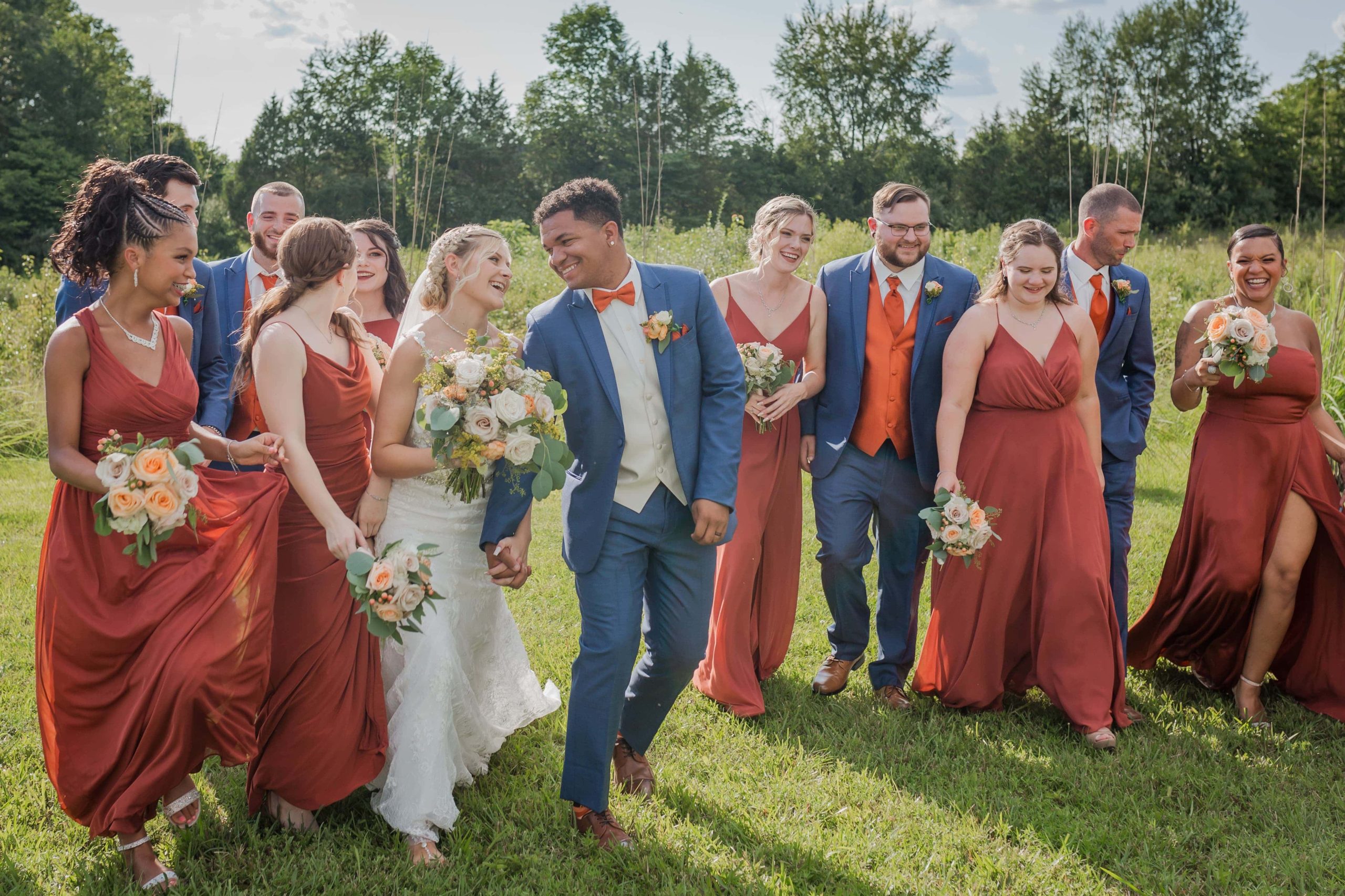
Many couples plan their wedding in 9 to 12 months, though the best timeline depends on priorities, budget, guest list, and the celebration’s vibe. If you’re asking how long planning takes, the timeframe shifts with venue availability and event complexity. You might picture a black-tie ballroom, a cozy backyard party, or a far‑flung escape; knowing the typical planning window for each helps you decide confidently and stay calm. This guide helps you pick a schedule, follow a month‑by‑month checklist, and keep everything on track, from booking venues to attire fittings and final confirmations. Looking for a compressed plan or extra time for custom details? You’ll find both paths here.
Typical Wedding Planning Timelines by Engagement Length
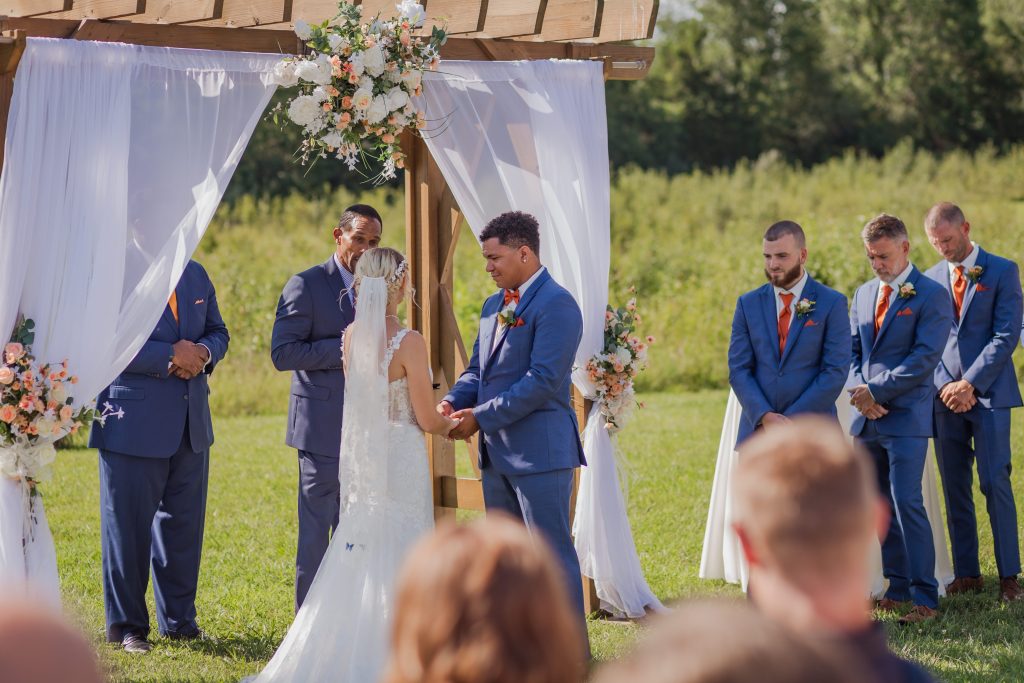
There is no one schedule that fits everyone, but these common engagement lengths show what you can accomplish based on availability and decision speed. Your location, venue popularity, and guest count can accelerate or extend these ranges. Couples who ask how long does it take to plan a wedding will find that these ranges cover most scenarios, and they also show how to plan a wedding with realistic milestones.
- 6 months: A good fit for smaller guest lists, flexible dates, and couples who can decide quickly. Secure a venue immediately, prioritize a photographer and officiant, and choose simplified attire options. Expect tighter availability for peak-season Saturdays; consider weekdays or off-peak months to open more choices.
- 9–12 months: The most typical planning horizon. You will have more venue and vendor options, time for ordering and alterations on dresses and suits, and a comfortable window for save-the-dates and travel planning. This timeline supports custom touches, stationery, décor, and entertainment,without rushing.
- 18–24 months: Ideal for high-demand venues, large guest lists, or multi-day celebrations. You can lock in preferred vendors, negotiate packages, plan distinctive design elements, and coordinate travel for out-of-town guests. The extra time builds in flexibility for contingencies and phased budgeting.
Core bookings in any timeframe: Start with your venue, planner (if using), and core vendors like catering, photography, and entertainment. Attire orders follow soon after to allow for shipping and alterations. Invitations typically mail 6 to 10 weeks before your date, with save-the-dates going out 6 to 8 months prior for local weddings and 8 to 12 months for destination events.
Short vs. long engagements: Short engagements minimize decision fatigue and keep momentum high, but can limit vendor and venue choice, often pushing couples toward ready-to-wear or rental attire. Longer engagements offer more selection and flexibility but call for consistent organization to prevent budget creep and scope expansion. If you are deciding how to plan a wedding efficiently, choose the timeframe that best fits your availability and priorities.
Step-by-Step Planning Checklist by Month
Every wedding is unique, but this month-by-month outline helps you stay on track. Compress or expand steps based on your engagement length and priorities. If you are unsure how do you plan a wedding with a shorter lead time, focus on the first two phases and lock in core vendors quickly.
Months 1–3
- Set your budget and draft a preliminary guest list—these choices drive venue capacity, catering, and overall costs.
- Research and tour venues; secure your date and ceremony location early.
- Choose your wedding party and, if desired, hire a planner for guidance and vendor coordination.
- Create a vision board and define your top three priorities (for example, venue style, food experience, live music).
- Research photographers, caterers, entertainment, and officiants; schedule tastings and consultations.
- If aiming for a 6-month planning window, lock in your venue and core vendors quickly.
Months 4–6
- Book core vendors: photographer, videographer, caterer, entertainment, florist, and officiant.
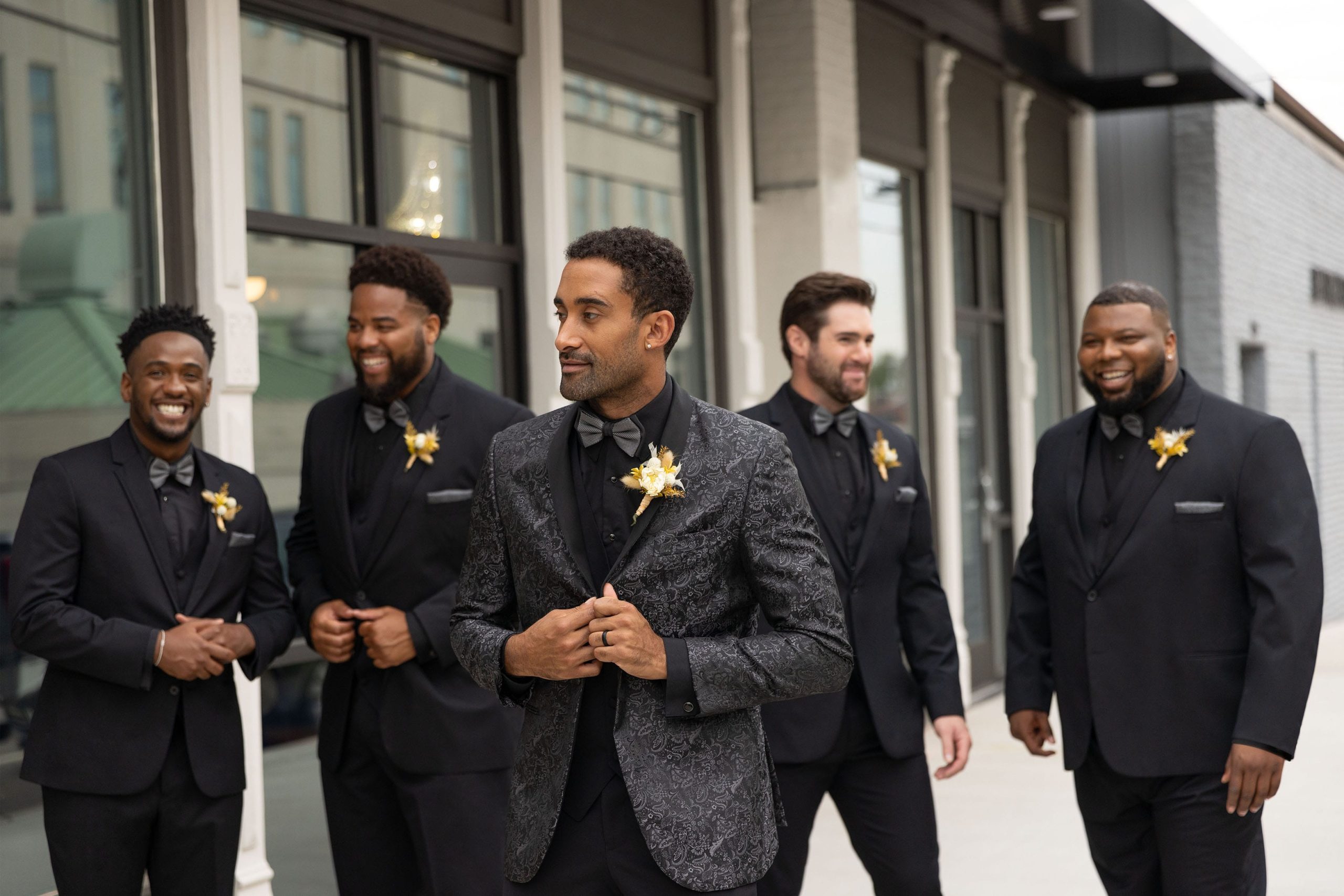
- Begin attire planning for wedding dress, suits, or tuxedos, and schedule measurements.
- Order bridesmaid dresses and groomsmen attire; start coordinating accessories.
- Create your registry and design save-the-dates if your date is 8+ months away; if not, focus on invitations.
- Reserve room blocks for guests and outline transportation needs.
Months 7–9
- Finalize design and rental elements (linens, furniture, lighting, décor).
- Confirm your menu and cake tastings; add any dietary accommodations.
- Send save-the-dates if you have not already, especially for destination or peak-season weddings.
- Build your wedding website with travel and accommodation details.
- Outline your ceremony and draft a day-of timeline.
- Schedule hair and makeup trials and finalize attire accessories such as shoes, ties, belts, jewelry, and cufflinks.
Months 10–12
- Mail invitations 6 to 10 weeks in advance (earlier for destination weddings).
- Track RSVPs and meal selections; follow up on missing replies.
- Finalize transportation runs and rooming lists, including accessibility needs.
- Confirm rehearsal dinner venue and host.
- Complete final dress and suit/tuxedo fittings.
- Prepare ceremony scripts, music cues, and the seating chart.
- Confirm vendor arrival times, load-in instructions, and insurance certificates.
Final 3 Months to 1 Week
- Pay remaining vendor balances and prepare gratuities.
- Complete last fittings and pick up or receive attire.
- Provide final headcounts to your caterer and confirm menu details.
- Print your day-of timeline and share it with your wedding party and vendors.
- Pack an emergency kit and assign a point person for questions on the day.
- Attend the rehearsal, drop off décor and signage, and double-check licenses and permits.
How Timeline Changes for Different Types of Weddings
Different formats influence how much time you need, what to book first, and how early guests should be notified. Plan accordingly to avoid last-minute hurdles. For couples asking how long it takes to plan a wedding in special scenarios, these guidelines help you map the steps and show how to plan a wedding tailored to your event type.
- Destination weddings: Start 12 to 18 months out when possible. Research legal requirements for your destination, including waiting periods and required documents. Reserve the venue and room blocks early and send save-the-dates 8 to 12 months ahead so guests can arrange travel. Book group airfare or share travel guidance 6 to 9 months out. Build your timeline around travel windows and coordinate shipping of décor, welcome bags, and attire with local vendors.
- Backyard weddings: Often doable in 6 to 9 months. Secure necessary permits, check noise ordinances, and confirm insurance. Account for infrastructure such as tenting, flooring, generators, restroom rentals, catering prep space, and parking. Walk the property with key vendors early to review power sources and load-in logistics.
- Courthouse ceremonies and elopements: Can be planned in weeks. Check appointment availability, ID requirements, and waiting periods. Book a photographer and attire. If you are not inviting guests, consider sending an announcement after or plan a celebration later.
- Multi-day celebrations: Allow 12 to 24 months. Welcome parties, rehearsal dinners, ceremonies, receptions, and brunches require layered timelines and staffing. Consider venues or resorts with bundled packages and in-house teams to simplify logistics and align costs across events.
Staying on Track: Tools and Tips to Speed Up Planning
Staying organized helps you make decisions faster and prevent duplicated work. Use tools that centralize tasks, budget, and communications. If you are learning how do you plan a wedding without getting overwhelmed, these tactics keep everything moving.
- Organizational tools: Work from a shared checklist and calendar. Use a budget tracker with payment due dates and a guest list manager that tracks RSVPs, meal choices, dietary needs, and seating. Store contracts in a cloud folder and label files with vendor name and due date for quick reference.
- Prioritize and delegate: Decide early which three elements matter most and allocate more time and budget to them. Delegate remaining tasks to your partner, family, or wedding party. Assign clear owners for guest communications, transportation, décor setup, and vendor confirmations so you are not managing every detail alone.
- Time-savers: Consider venues with inclusive packages (catering, rentals, coordination) to reduce separate bookings. Choose off-peak seasons, weekdays, or brunch/afternoon receptions for better availability. Use rental options for décor and formalwear to avoid long production timelines. When possible, book vendors who have worked together before, their familiarity often streamlines setup and problem-solving on the day.
Attire and Fittings: How Long to Plan and Order Formalwear
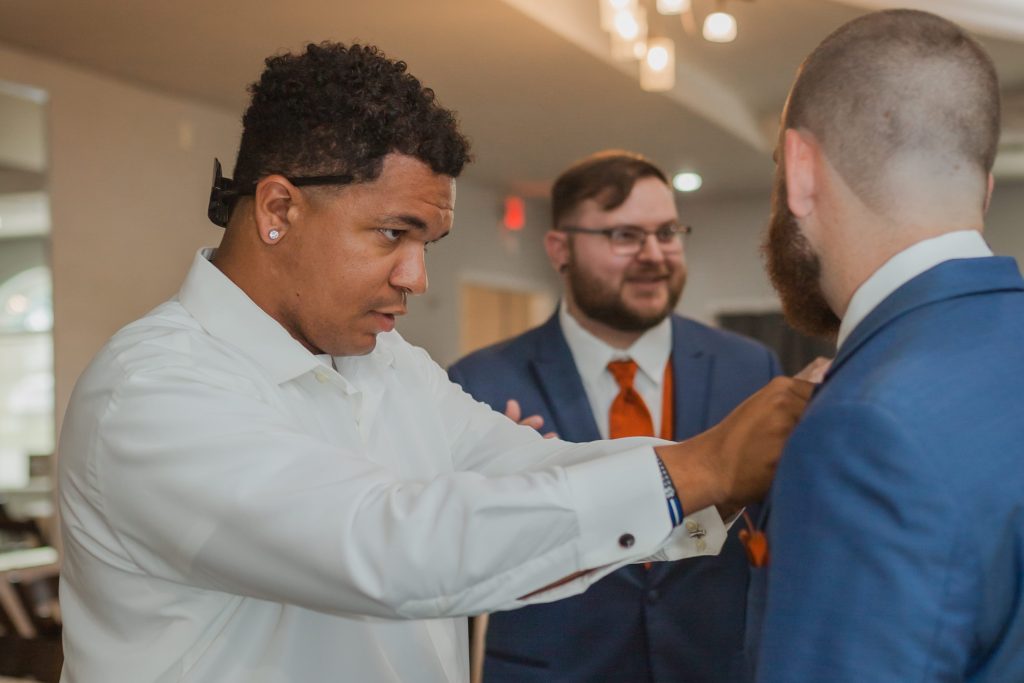
Outfitting the wedding party can influence your schedule more than expected. Build in ordering, delivery, and alterations windows so everyone looks their best without last-minute stress. Couples exploring how long does it take to plan a wedding often overlook attire lead times; these windows show how to plan a wedding timeline that keeps fittings on track.
- Ideal lead times: Wedding dresses can take 4 to 8 months to arrive, with alterations requiring 6 to 10 weeks. Custom suits often need 2 to 4 months. Tuxedo rentals typically open reservations 3 to 6 months before the date. Bridesmaid dresses may take 2 to 4 months, while groomsmen rentals are commonly secured 2 to 3 months out. If your engagement is 6 months or less, prioritize attire immediately and explore rush or rental options.
- Alterations and rush options: Expect two to three fittings for wedding dresses and one to two fittings for suits and tuxedos. Rush services may be available for an added fee. Rentals can compress timelines because sizes are standardized and inventory is on hand. Build in extra time for out-of-town groomsmen to submit measurements and plan a final fit check in the last two weeks.
- How formalwear specialists help: A trusted formalwear specialist can manage group measurements, track sizes and styles for each member of the wedding party, and coordinate pick-up and returns. Many offer online measurement submission and appointment scheduling, which is especially helpful for out-of-town groomsmen. If your timeline is tight, ask about quick-ship styles, local inventory, and on-site alterations or fit checks.
Pro tip: Book your first attire appointment after you have chosen the venue and overall dress code. This ensures your look complements the setting and formality.
Plan Confidently with Jim’s Formal Wear: Our Process
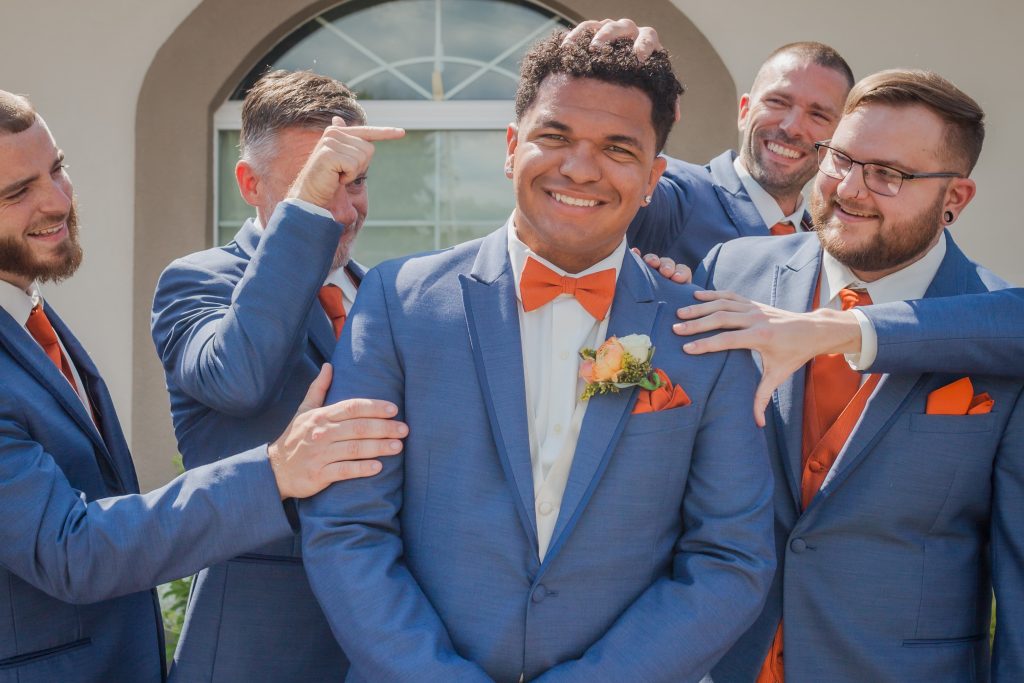
Choosing the right formalwear partner can simplify your entire planning timeline. Jim’s Formal Wear (JFW) offers a streamlined, step-by-step process designed for convenience, consistent fit, and on-time delivery, ideal for wedding parties working on most schedules. If you want to know how to plan a wedding wardrobe with minimal stress, this process keeps your party coordinated from day one.
| Step | What Happens | How It Helps Your Timeline |
|---|---|---|
| 1. Style & Build | Explore tuxedos and suits in a wide range of colors and fits. Build your look online or in-store, including shirts, ties, vests, and accessories. | Quickly align your attire with your venue, season, and dress code without lengthy custom lead times. |
| 2. Get Measured | Submit measurements online or visit a local JFW retailer for professional sizing. Groomsmen can be measured wherever they live. | Remote measurement tools and local retailers make it easy for out-of-town attendants and keep your schedule on track. |
| 3. Manage the Group | JFW tracks each party member’s sizes, styles, payments, and status, with reminders for deadlines. | Centralized coordination reduces back-and-forth and ensures no one misses cutoffs. |
| 4. Try-On & Adjust | Receive attire before the event for a try-on. If adjustments are needed, JFW handles quick exchanges. | Built-in buffer time for fit checks helps prevent last-minute surprises. |
| 5. Wear & Return | Enjoy your day looking sharp. Afterward, return items easily via your retailer. | Smooth returns and clear instructions keep post-event tasks simple. |
With thousands of retailers and robust online tools, JFW makes rentals straightforward for both long and short timelines. If you are planning quickly, ask about quick-ship options and real-time inventory so your party can secure the right sizes and styles without delay.
Budget, Guest List, and Vendor Booking: Timing That Matters
Early financial clarity and smart sequencing prevent bottlenecks later. Make key decisions in this order to lock in availability and control costs. If you are weighing how long it takes to plan a wedding versus your budget, these choices help you balance time and spend.
- Secure the venue and key vendors early: Book your venue as soon as you have a budget and rough guest count. Top venues can fill 12 to 18 months in advance. Once your date is set, prioritize photographer, planner, caterer, entertainment, and officiant. Florists, rentals, transportation, and specialty elements typically follow.
- Guest list size affects timeline: Larger guest counts require more rentals, staff, and meals, which increases lead times and complexity. Seating plans, escort cards, and invitation assembly also scale with your list. If you are on a shorter timeline, keeping the guest list tight reduces logistics and costs.
- Build in contingencies: Review contracts for deposit schedules, cancellation and postponement policies, and force majeure clauses. Ask vendors about backup coverage for photography, entertainment, and day-of coordination. For outdoor events, hold a tent or reserve an indoor backup. Keep a 5 to 10 percent contingency fund for unexpected costs.
Sample Planning Timelines
Use these snapshots to see how tasks shift based on your engagement length. They are helpful when you are comparing how long does it take to plan a wedding with different guest counts or venues and clarifying how do you plan a wedding that fits your calendar.
| Timeline | What to Prioritize | Attire Strategy | Communication |
|---|---|---|---|
| 6 Months | Venue and core vendors immediately; simplified décor and rentals. | Lean on rentals and quick-ship options. Schedule measurements early; plan one fit check close to the date. | Send invitations earlier in the window; use digital updates to confirm details quickly. |
| 9–12 Months | Balanced timeline for venue, vendors, and custom elements; more selection. | Order dresses and suits on standard timelines; build in two to three fittings for dresses and one to two for suits/tuxedos. | Send save-the-dates 6–8 months out (local) and invitations 6–10 weeks before. |
| 18–24 Months | High-demand venues, multi-day events, and bespoke design details. | Consider seasonal attire choices and coordinate accessories across events; schedule early style previews. | Stagger communications for multi-day logistics; send early travel info for out-of-town guests. |
Frequently Asked Questions
What is the absolute minimum time to plan a wedding? A courthouse ceremony or elopement can be planned in a few weeks if you meet legal requirements and secure an appointment. A small local celebration with a simple reception can come together in 6 to 12 weeks if you remain flexible on venue and vendors.
When should we send save-the-dates and invitations? For local weddings, send save-the-dates 6 to 8 months out and invitations 6 to 10 weeks before the event. For destination weddings, send save-the-dates 8 to 12 months in advance and invitations 10 to 12 weeks before.
How do we speed up planning without sacrificing quality? Focus on your top priorities, consider inclusive venues, book vendors who have worked together, and choose off-peak dates. Use rental formalwear and ready-to-ship attire to avoid production delays, and centralize planning documents in shared tools.
How late is too late to order formalwear? For rentals, you can often reserve 2 to 3 months out, with final measurements due closer to the date. If purchasing, aim for 2 to 4 months for suits and 4 to 8 months for wedding dresses to allow for alterations. Rush services can compress these windows, but availability varies by style and season.
Do we need a planner to stay on schedule? Not necessarily. A planner’s expertise can save time and reduce stress, but many couples stay on track with detailed checklists, smart delegation, and regular vendor check-ins. If you want professional help fine-tuning timelines and managing the day-of flow, consider at least a month-of coordinator.
How long does it take to plan a wedding if we are hosting at home? Backyard weddings often fit into a 6 to 9 month window, but permits, rentals, and infrastructure can add time. Knowing how to plan a wedding at home means arranging tenting, power, restrooms, and neighbour-friendly noise management early.
How do you plan a wedding on a tight budget? Start with the guest list, prioritize an inclusive venue, select off-peak dates, and lean on rentals for décor and attire. This shows how long it takes to plan a wedding when you streamline decisions and why sequencing bookings saves money.
Your Next Steps
- Decide your target timeline based on venue availability, guest count, and your top three priorities. If you are debating how long does it take to plan a wedding for your vision, match the scope of the event to your available months.
- Book your venue, core vendors, and secure your ceremony date. This is the cornerstone of how to plan a wedding without delays.
- Start formalwear planning early. Explore tuxedo and suit rentals with Jim’s Formal Wear to streamline measurements, group management, and on-time delivery.
- Set a communication cadence: monthly check-ins early, biweekly as the date approaches, and weekly in the final month.
- Build contingency cushions in your budget and schedule for peace of mind.
With the right plan, and the right partners, you can create a celebration that feels personal, polished, and perfectly timed. If you are ready to outfit your wedding party, explore Jim’s Formal Wear to choose styles, manage measurements, and keep your timeline on track from first fitting to final photos. Whether you are mapping how long it takes to plan a wedding from engagement to send-off or simply clarifying how do you plan a wedding step by step, you now have a clear path forward.